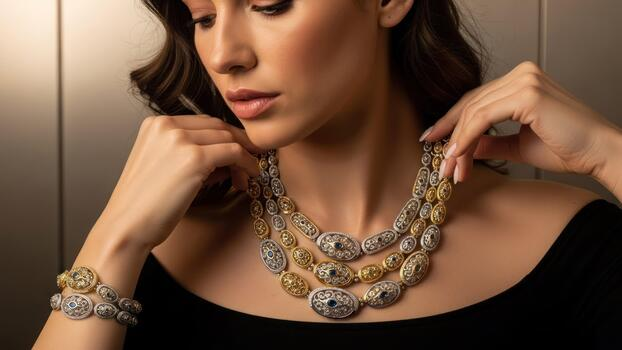
The international luxury marketplace is experiencing a major cultural shift in how consumers approach high end investments. Wealthy customers have for many decades, been searching for a prestigious or fashionable item from the historic fashion houses of Europe. Having a high-profile designer piece that featured a large corporate logo was often the main reason for luxury shopping. In today’s day and age, a person is no longer interested in conforming to what is considered normal; rather, he or she is seeking to stand out from the crowd and make a statement. This transformation has created a new primary driver in terms of high-end purchasing decisions, which is personal style, especially globally. Luxury is not merely a fitting into a social class but rather it is expressing oneself with premium items.
Utilizing Fine Accessories as Individual Conversation Starters
Today’s luxury consumers want the luxury items to have a greater meaning and communicate their lives instead of just their material wealth. This desire for genuine individuality has completely transformed the high end accessory and fine jewelry sectors. If you review the strategic insights found at https://pix11.com/pix11-partner-sponsored/innovators-journey/a-conversation-starter-tips-from-jeremy-millul-on-wearing-jewelry-that-reflects-your-personality/ you will discover how contemporary design emphasizes pieces that match a wearer’s specific character traits. If an upscale brand puts emphasis on creative product development and custom gemstone structures, then clients can take pride in having a truly personal wardrobe base. This angle on the expression of identity is an alternative to the traditional transactional shopping behavior and fosters long-term brand loyalty among discerning consumers globally.
The Decline of Logo Dominance and Rise of Quiet Luxury
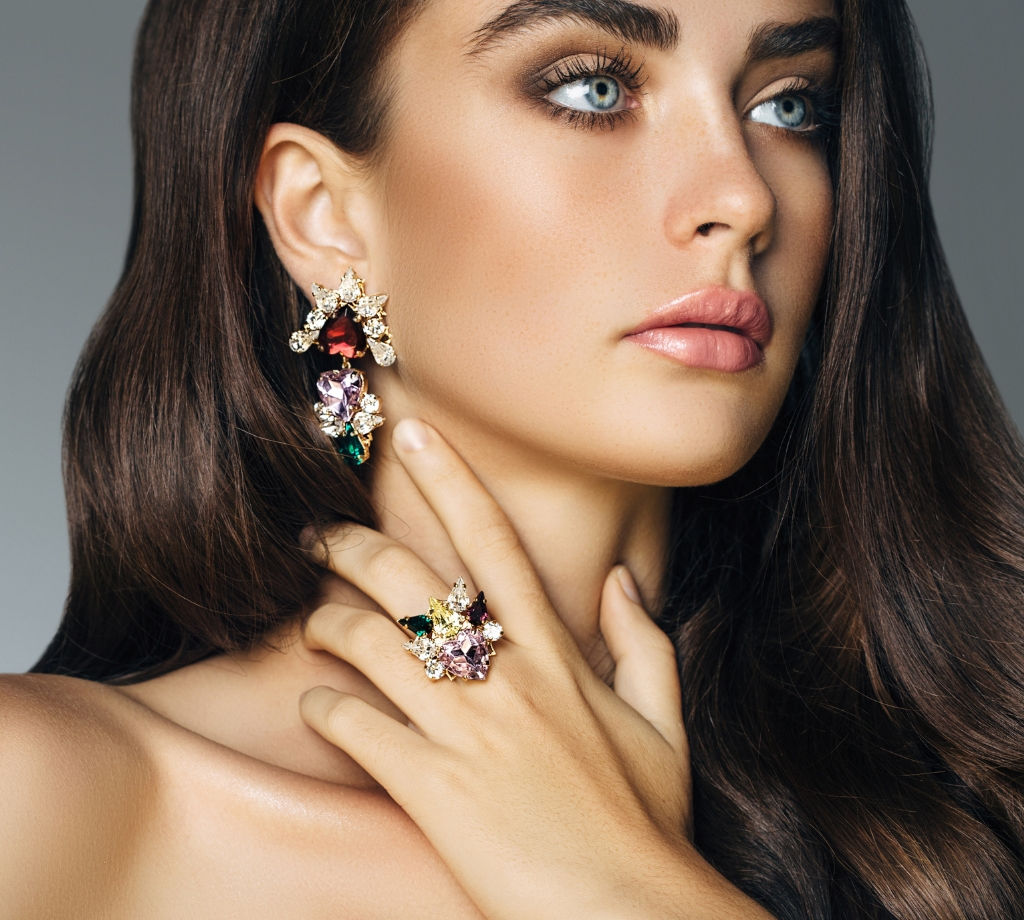
The traditional appeal of the loud, highly visible corporate branding has fallen significantly as personal style becomes a huge focus. Conscious consumers today are looking for simple sophistication, crisp clean lines and impeccable structural craftsmanship. Such a trend of quiet luxury gives everyone the chance to look confident and sophisticated without the need for the big, showy, designer symbols. High end consumers are now judging the quality of raw materials, like solid precious metals and rare stones, not just commercial labels. When you opt for unbranded masterworks, your wardrobe will always be timeless and your style will be the main feature.
Demanding Versatility for Multi Faceted Lifestyles
The behaviors of wealthy people towards luxury products have undergone a significant change in the past couple of years. Traditional collectors would buy expensive accessories for the purpose of storing them in safe places like vaults and would use them only for formal evenings when it is rare. Today’s luxury shoppers are busy, busy, busy working people who want any luxury item to be useful for their everyday life. They’re drawn to sophisticated diamond studs, multiple-layered metal accents, and lightweight chain chokers that seamlessly shift from business to leisure. The focus on everyday functionality means that high-end investments give maximum visual value, while at the same time offering an exceptional physical comfort throughout the day.
Prioritizing Heritage and Authentic Production Narratives
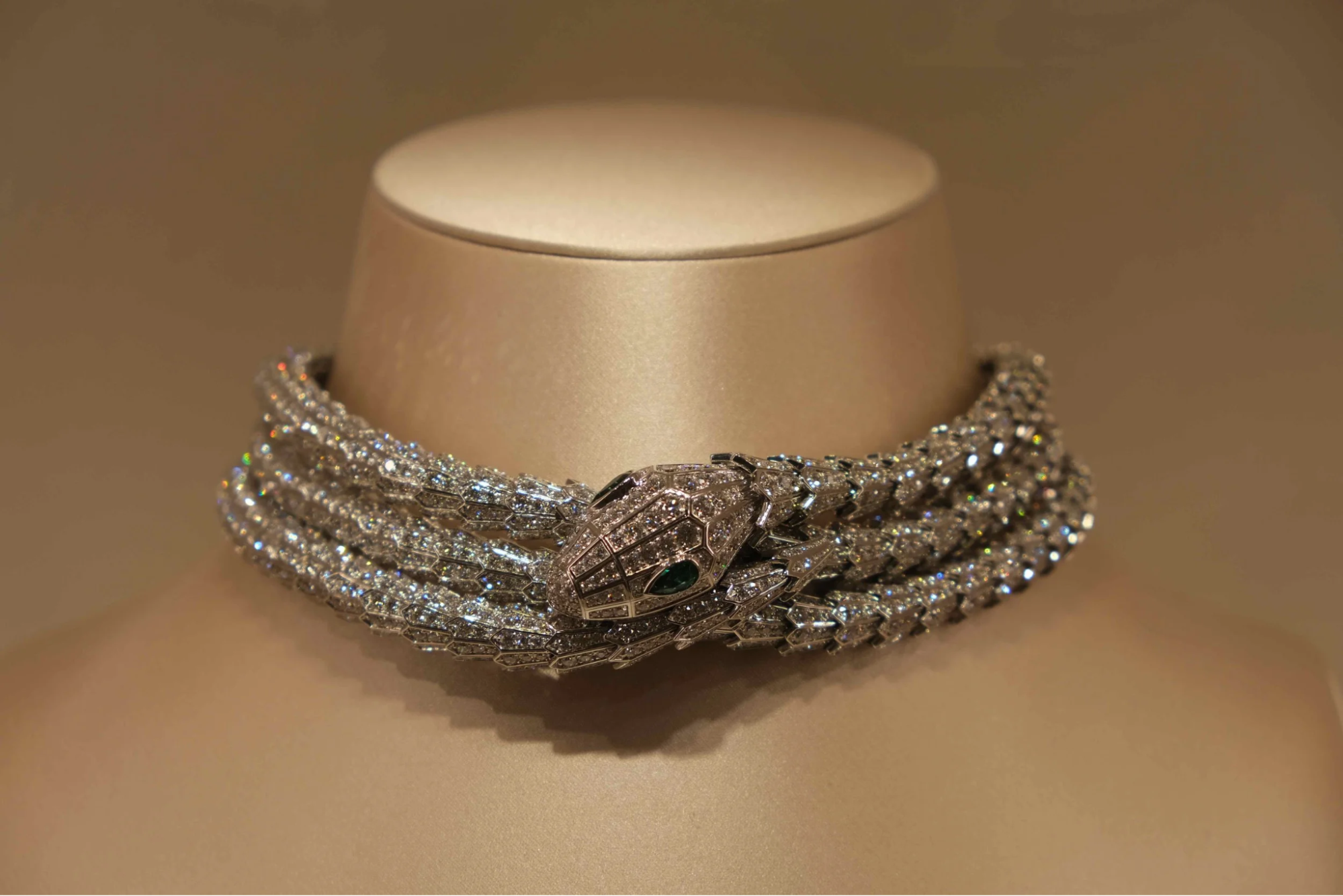
Today’s luxury consumers are very well informed and pay attention to the support services of any design house. Buyers routinely demand absolute transparency regarding gemological certifications, ethical sourcing channels, and ancestral manufacturing techniques. They seek to engage in the distinctive and personal artistic history and cultural legacy of each physical object they buy. This product integrity emphasis requires progressive jewelry entrepreneurs to deal with supplier negotiations and material development with extreme accuracy. By purchasing pieces with thorough and detailed historical stories and excellent hand forged quality, consumers can acquire valuable collectibles that can be passed down through generations as family heirlooms.
Conclusion
Personal style has been able to reshape the global luxury industry quite effectively, highlighting individuality, functionality and rigorous material quality. Modern consumers have taken total control over high end design by breaking free from uniformity in corporate designs and emphasizing on individual corporate identity statements. Today’s demand for quiet luxury and rich tale-telling means today’s manufacturing is still very much geared towards elite, not to mention fast, quality. The value of rare precious metals and gemstones has not changed, but what they’re worth depends on has changed forever. Embracing these customer driven shifts allows forward thinking fashion enterprises to build enduring, relationship first legacies that remain highly respected for decades to come.