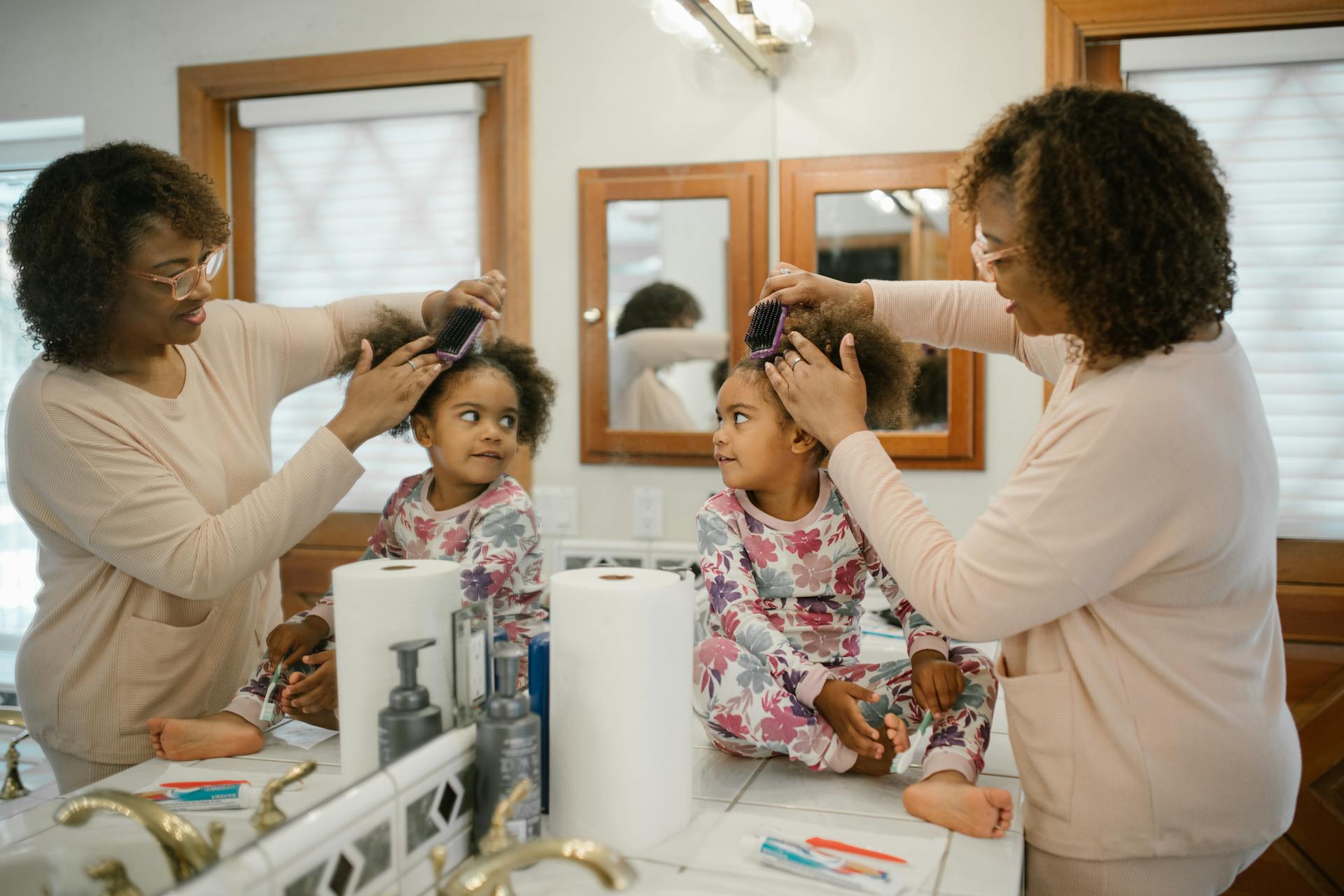
This begins with structure to raise responsible kids. In our house, morning and evening schedules have given our children (6, 9 years old) the ability to make their day their own. No sniveling, only habits that develop independence, time budgeting and pride. This is how we do it, which can be made to fit any family.
Morning Routine: Kickstarting Independence
We rise at 6:30 AM. First task: make beds. Something as basic as a checklist on the fridge- tucked sheets, smoothed duvet- takes 2 minutes to complete yet to be able to complete something teaches completion. Then hygiene circuit: brush teeth, wash face, dress up in pre-prepared clothes. Children select garments per night promoting decision-making.
Breakfast is life skills lab. Elderly lad sets table, less elderly lad pours cereal or fruit. they sweep away dishes, mop floors–turnabout work never makes one tired. At 7:15, the backpacks do their stuff: the homework is checked, the water bottles are filled. We scan weather to make jackets, developing for sight.
The Role of Timers and Checklists

Visual aids rule. Checklists with pictures laminated to the little one are used to follow the progress. Tasks are gamified using phone timers, beat the 5-minute dress buzzer and you have a high-five. They did not require any rewards; the end of the task would give them sticker charts to family movie nights. This system will reduce the chaos, and time is taught as a limited resource.
Transition to School: Ownership Handover
Shoes on, shoes tied (practiced weekly). 7:45. They pack luggage into the truck- there are no last minute inspections. On my way, thought: What are you looking forward to today? reinforces positivity. They put themselves down, and go away waving goodbye. Parents should step back and then responsibility grows.
Evening Routine: Reflection and Reset
By 4.30 PM go home and have snack-and-unwind, homework at 5 PM. Specific desks, no equipments- kids work out their assignments, seeking assistance only when they have tried. Tasks to do: empty dishwasher or laundry. We switch every week, which is why we say that everyone brings to the home team.
Table-setting and cleanup activities are also done at dinner at 7 PM. Baths after dinner, before 8 PM, children wash themselves, towels, pajamas. Reading together: Every night one parent reads to the child, and vice versa, developing literacy and connection.
Bedtime Wind-Down: Gratitude and Prep
Lights dim at 8:30 for quiet time. Journals trigger three gratitudes and the most important activity tomorrow, developing mindfulness. Furniture ready, lunches made (children make sandwiches). Bedtime before 9 PM makes sure that one gets 10 hours of sleep, which is essential in concentration.
Why It Works: Long-Term Benefits
Consistency yields results. Our children have set routines even during weekends. Tantrums were eliminated; confidence was high- report cards commend organization. We pose in illness or travel, as dynamically. Opponents claim that it is inflexible, but mild implementation creates a stronger force.
It is not the best routine, yet it teaches: there are consequences to actions, teamwork is all about trust. Begin small two things, then responsibility has a root.